
Pet Safety HVAC Guide
For many of us, our pets aren’t just animals—they’re family. We go to great lengths to ensure they have the best food, plenty of exercise, and a cozy place to sleep. However, one of the most important factors in their well-being is often the one we can’t see: the air they breathe and the temperature of their environment. Maintaining a pet-friendly home requires a little extra attention to your heating and cooling system. From managing shedding to preventing electrical mishaps, here is your essential pet safety HVAC guide to keeping your system running smoothly while keeping your furry friends safe.
1. The Battle Against Shedding and Dander
Pets bring a lot of joy into a home, but they also bring fur and dander. If left unchecked, these particles can clog your HVAC system, reducing efficiency and lowering air quality.
-
Change Filters Frequently: While the average household might change an air filter every 90 days, pet owners should check theirs every 30 to 60 days. A clogged filter forces your system to work harder, which can lead to higher energy bills and a shorter system lifespan.
-
Upgrade Your Filter: Consider using a filter with a higher MERV rating (ideally between 8 and 11) to capture smaller particles like dander and pollen that pets might carry in from outside.
-
Groom Regularly: Brushing your pet frequently isn’t just about a shiny coat; it’s a form of HVAC maintenance! The more hair you catch with a brush, the less hair ends up in your return vents.
2. Safeguard Your Outdoor Unit
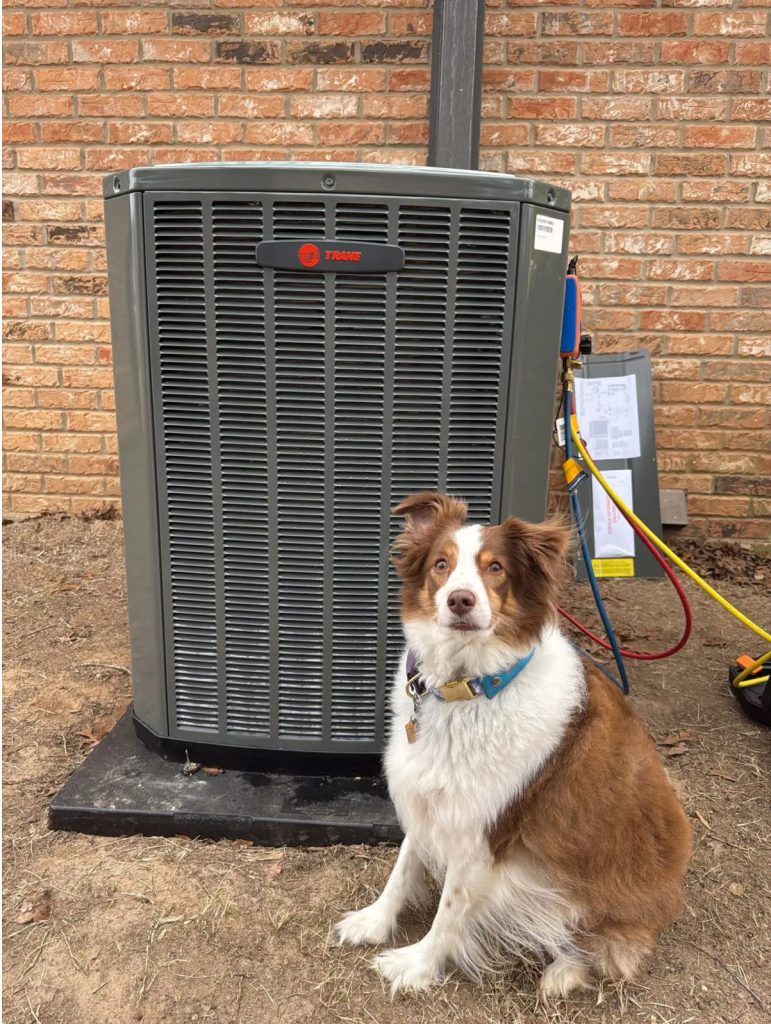
Your outdoor condenser unit is a vital part of your cooling system, but it can be a “danger zone” for curious pets.
-
Create a Barrier: Consider a small fence or lattice around your outdoor unit to keep dogs from marking their territory on the delicate metal fins. Animal urine is highly corrosive and can cause permanent damage to the coils.
-
Maintain Airflow: If you do build a fence, ensure it is at least two feet away from the unit to allow for proper airflow. Restricted airflow can cause the system to overheat.
3. Protect Wires and Vents
Curious paws and chewers can lead to trouble if your HVAC components are easily accessible.
-
Cover Exposed Wiring: If you have accessible wires leading to your thermostat or indoor units, use plastic conduits to prevent pets from chewing on them. This protects your system from short-circuiting and, more importantly, protects your pet from electrical shock.
-
Secure Floor Vents: Make sure floor registers are securely fastened. A heavy dog or a zooming cat can accidentally dislodge a loose vent, creating a falling hazard or a place where small toys (and paws) can get lost
4. Smart Temperature Management
Pets can’t tell us when they are too hot or too cold, so it’s up to us to set a safe baseline.
-
Find the Sweet Spot: Most pets are comfortable between 67°F and 77°F. If you use a programmable thermostat to save energy while you’re at work, ensure the “away” temperature isn’t too extreme for your specific breed, especially for senior pets or those with thick coats.
-
Watch the Humidity: High humidity can make it difficult for pets (especially dogs) to cool themselves through panting. Aim to keep your indoor humidity between 30% and 50%.
5. Consider Indoor Air Quality (IAQ) Upgrades
If anyone in your home suffers from allergies, pet dander can be a major trigger. Upgrading your IAQ can make the home more breathable for everyone.
-
Air Purifiers & UV Lights: Installing an in-duct air purifier or a UV germicidal light can help neutralize odors and capture microscopic dander that standard filters might miss. Click here to check out our blog about the air scrubber.
Keep the Whole Family Comfortable
Your HVAC system does a lot of heavy lifting to keep your home habitable. By following these simple steps, you can ensure your system stays efficient and your pets stay happy.
Is your system struggling to keep up with the summer heat or winter chill? Contact us today for a professional tune-up to ensure your home remains a safe haven for your four-legged family members!
This pet safety HVAC guide is for all types you may have at home. Whether you have a heavy shedder or a curious chewer, your home should be tailored for their comfort and safety.