
How Much Should a New HVAC System Cost in 2026?
The replacement of your HVAC system isn’t exactly a thrilling expense. It’s not a new car, a fancy vacation, or even a kitchen remodel that you get to show off. But when your old system starts sounding like a dying robot or struggles to keep your home comfortable, the thought of a new one quickly moves from “someday” to “ASAP.”
One of the biggest questions on every homeowner’s mind is, “How much is this going to set me back?” It’s a fair question, and unfortunately, the answer isn’t a simple dollar amount. Think of it like buying a car – a compact sedan is vastly different in price from a luxury SUV, and both will get you from point A to point B. But there is much more to it than simply the price tag.
Poormans believes in transparency, especially when it comes to significant home investments. While we can’t give you an exact quote without understanding your specific needs (and frankly, anyone who does without an assessment should raise a red flag!), we can break down the factors that influence the cost of a new, reliable system like those from Trane.
The Big Picture: What’s Included in “Cost”?
When we talk about the price of a new HVAC system, we’re not just talking about the equipment itself. You’re paying for a comfort solution that includes:
-
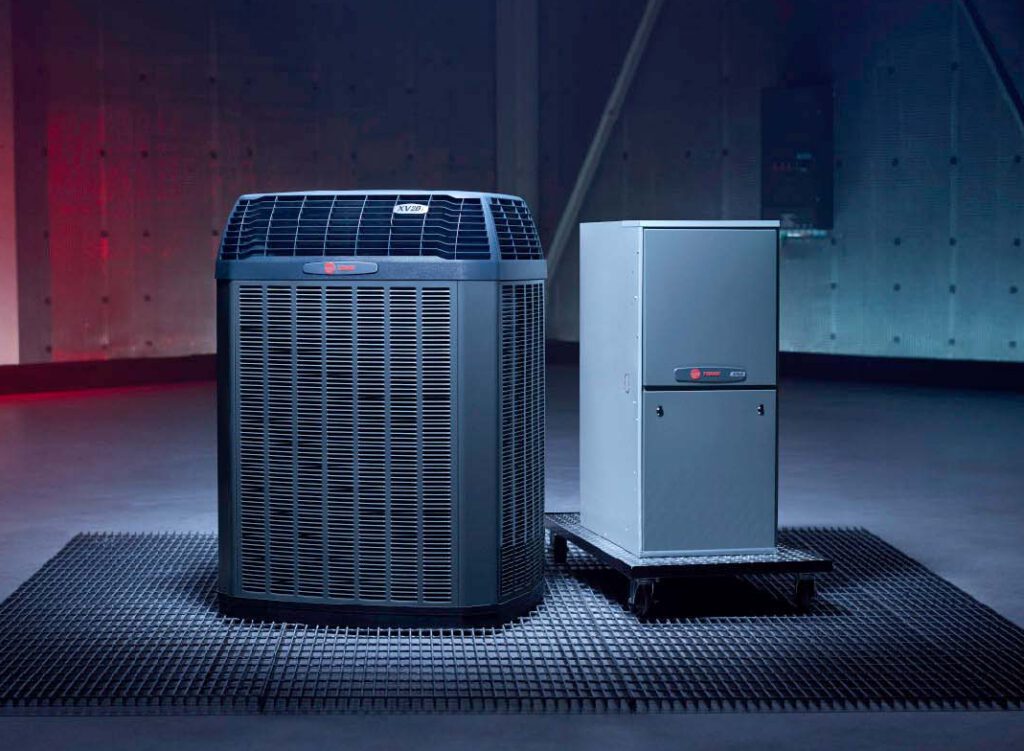
The Equipment: This is the actual furnace, air conditioner, heat pump, or entire system (like a Trane XV20i TruComfort™ Variable Speed system) that will be installed.
-
Labor and Installation: This is a huge component! Properly installing an HVAC system requires specialized skills, tools, and adherence to local codes.
-
Ductwork Modifications (if needed): Sometimes, older ductwork isn’t suitable for a new, more efficient system and might need repairs or upgrades.
-
Permits and Inspections: Many localities require permits for HVAC installations to ensure safety and compliance.
-
Removal and Disposal: Getting rid of your old, bulky unit.
-
Warranty and Guarantees: Peace of mind is priceless and more important than cost. The business you trust is a trop priority. Will they install/service your equipment correctly? Will they prioritize you? Will they honor your warranty? These are important questions to consider.
1. Equipment Type and Efficiency (SEER2, AFUE, HSPF2)
This is perhaps the most significant factor.
-
Air Conditioners & Heat Pumps: The efficiency is measured by SEER2 (Seasonal Energy Efficiency Ratio 2) and HSPF2 (Heating Seasonal Performance Factor 2). A higher number means greater efficiency, which translates to lower energy bills over time. Trane offers a range from standard efficiency to ultra-high efficiency variable-speed systems. Higher efficiency units cost more upfront but save you more in the long run.
-
Furnaces: Efficiency is measured by AFUE (Annual Fuel Utilization Efficiency). A 95% AFUE furnace converts 95% of its fuel into heat, with only 5% escaping. Again, higher efficiency equals higher initial cost but lower operating costs.
2. System Size (Tonnage & BTUs)
An HVAC system needs to be perfectly sized for your home. Too small, and it will run constantly and struggle to cool/heat; too large, and it will “short cycle,” leading to uneven temperatures, increased wear and tear, and higher humidity. A professional load calculation is crucial here. Larger homes naturally require larger, more powerful (and thus more expensive) systems.
3. Brand and Features
Just like cars, HVAC brands have different reputations and feature sets. Trane, for instance, is renowned for its reliability, durability, and innovative features like TruComfort™ technology for precise temperature control and quiet operation. Premium brands and systems with advanced features (like smart thermostats integration, zoning capabilities, or enhanced air filtration) will naturally command a higher price.
4. Complexity of Installation
-
Existing Ductwork: Is your current ductwork in good shape, or does it need significant repairs, sealing, or even replacement?
-
Accessibility: Is the furnace in an easy-to-reach basement or a cramped attic? Is the outdoor unit easily accessible?
-
System Type Change: Switching from a furnace/AC combo to a heat pump, or adding zoning, can add complexity.
-
Electrical Upgrades: Older homes might need electrical panel upgrades to support a new, more powerful system.
5. Local Labor Rates & Permits
Labor costs vary significantly by region. Additionally, your local municipality will have specific requirements for permits and inspections, which add to the overall cost.
So, What’s the Range in 2026? (A Realistic Estimate)
While specific numbers are challenging without an on-site evaluation, here’s a broad range for a complete, professionally installed Trane HVAC system in 2026. Keep in mind these are estimates and can fluctuate based on all the factors above:
-
Mid-Efficiency Split System (AC & Furnace): $4,000 – $8,000
-
High-Efficiency Split System (AC & Furnace) or Mid-Efficiency Heat Pump System: $8,000 – $12,000
-
Ultra-High Efficiency Variable Speed System (e.g., Trane XV20i Heat Pump/AC & Furnace): $12,000 – $20,000+
Important Note: These ranges are for typical residential installations. Very large homes, complex installations, or specialized systems could fall outside these ranges. These estimates also assume standard ductwork conditions.