
Keeping the Flow: A Homeowner’s Guide to Frozen Pipe Prevention
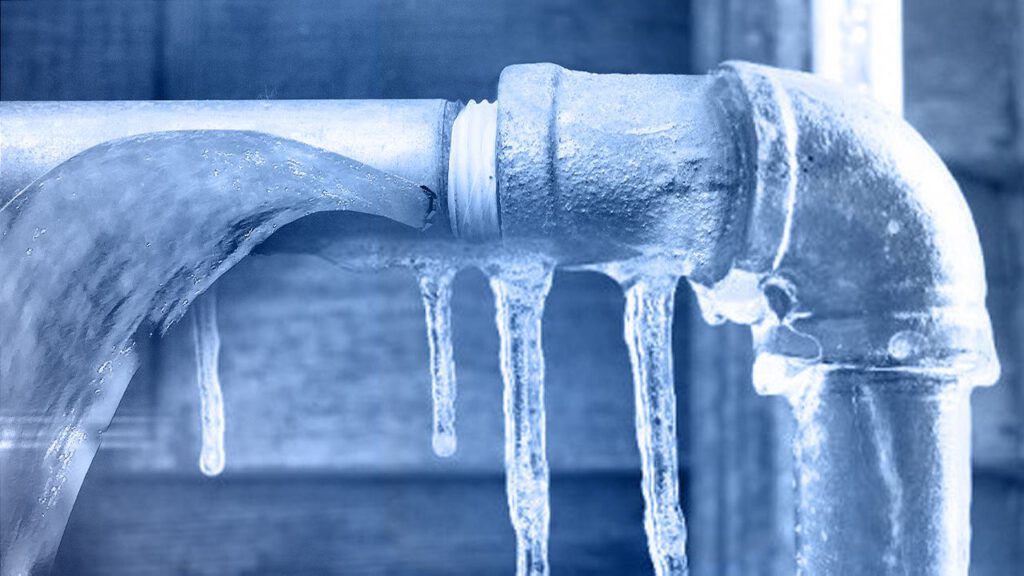
As the temperature drops, your home’s plumbing becomes vulnerable to one of the most common (and expensive) winter headaches: frozen pipes. When water freezes, it expands, putting immense pressure on your metal or plastic pipes. This can lead to bursts that cause thousands of dollars in water damage. Poormans Heating & Air wants to help you keep your home warm and your water flowing. Here is your guide on frozen pipe prevention.
Why Pipes Freeze
Pipes are most at risk when they are located in unheated interior spaces such as basements, attics, and garages, or when they run along exterior walls with little insulation. Generally, the “danger zone” begins when outdoor temperatures fall below 20°F (-6°C).
Proactive Prevention Tips
1. Insulate Vulnerable Areas
The best defense is a good offense. Focus on pipes in unheated areas:
-
Pipe Sleeves: Use foam pipe insulation or “heat tape” on exposed pipes.
-
Seal Leaks: Look for air leaks around electrical wiring or dryer vents and use caulk or insulation to keep the cold air out.
2. Let the Faucets Drip
When the weather is exceptionally cold, turn on your faucets just enough to allow a slow drip. This relieves the pressure that builds up between the ice blockage and the faucet, significantly reducing the chance of a burst even if the water freezes.
3. Open Cabinet Doors
Kitchen and bathroom pipes are often tucked away in dark, cold cabinets. Open these doors to allow the warm air from your HVAC system to circulate around the plumbing.
4. Maintain a Consistent Temperature
While it’s tempting to lower the thermostat at night to save on energy bills, a consistent temperature day and night helps keep the internal structure of your walls warm enough to protect the pipes.
5. Outdoor Maintenance
-
Disconnect Hoses: Remove, drain, and store garden hoses.
-
Shut Off Outdoor Valves: If your home has a separate shut-off for outdoor faucets, turn it off and drain the line.
What to Do If Your Pipes Freeze
If you turn on a faucet and only a trickle comes out, your pipes are likely frozen. Don’t panic! Follow these steps:
-
Keep the Faucet Open: As the ice melts, water will begin to flow, helping to melt the rest of the ice.
-
Apply Heat Safely: Use an electric heating pad, a hair dryer, or a portable space heater. Never use an open flame or a blowtorch to thaw a pipe.
-
Check Other Faucets: If one pipe is frozen, others may be as well.
Pro Tip: Locate your main water shut-off valve now. If a pipe does burst, knowing how to turn off the water quickly can save your home from a major flood.
How Your HVAC System Helps
A well-maintained heating system is your first line of defense for frozen pipe prevention. If your furnace, boiler or heat pump isn’t distributing air evenly, certain rooms can become “cold spots” where pipes are more likely to fail. For more advice and tips on how to maintain your home during these below freezing temperatures, check out our blog here. fdsa